• Welcome to your new Gnomio site

    Now, you are in control!

    Moodle is an open-source Learning Management System (LMS) that provides educators with the tools and features to create and manage online courses. It allows educators to organize course materials, create quizzes and assignments, host discussion forums, and track student progress. Moodle is highly flexible and can be customized to meet the specific needs of different institutions and learning environments.

    Moodle supports both synchronous and asynchronous learning environments, enabling educators to host live webinars, video conferences, and chat sessions, as well as providing a variety of tools that support self-paced learning, including videos, interactive quizzes, and discussion forums. The platform also integrates with other tools and systems, such as Google Apps and plagiarism detection software, to provide a seamless learning experience.

    Moodle is widely used in educational institutions, including universities, K-12 schools, and corporate training programs. It is well-suited to online and blended learning environments and distance education programs. Additionally, Moodle's accessibility features make it a popular choice for learners with disabilities, ensuring that courses are inclusive and accessible to all learners.

    The Moodle community is an active group of users, developers, and educators who contribute to the platform's development and improvement. The community provides support, resources, and documentation for users, as well as a forum for sharing ideas and best practices. Moodle releases regular updates and improvements, ensuring that the platform remains up-to-date with the latest technologies and best practices.

    Links of interest:

    (You can edit or remove this text)

Available courses

1. Giới thiệu môn học
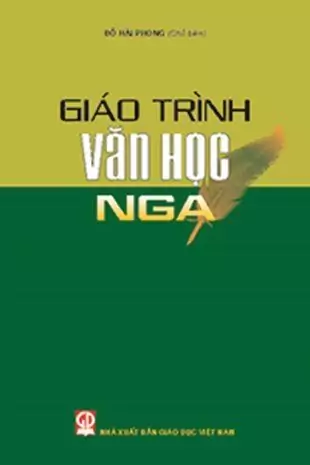
Văn học Nga mở ra cánh cửa khám phá một trong những nền văn hiến đồ sộ và tầm cỡ nhất nhân loại. Trải dài qua các thời kỳ từ cổ đại đến hiện đại, môn học tập trung vào "Thế kỷ Vàng" (thế kỷ XIX) và "Thế kỷ Bạc" (thế kỷ XX) – giai đoạn sản sinh ra những tên tuổi vĩ đại như Pushkin, Tolstoy, Dostoevsky và Chekhov. Qua đó, người học sẽ hiểu về "tâm hồn Nga" đầy chiều sâu, lòng nhân ái và những biến động lịch sử gắn liền với vận mệnh dân tộc.
2. Mục tiêu môn học
  • Về kiến thức: Giúp người học nắm vững tiến trình phát triển, các trào lưu văn học chủ đạo (Lãng mạn, Hiện thực) và hệ thống nhân vật điển hình. Người học sẽ hiểu được giá trị nội dung và nghệ thuật của các kiệt tác văn chương Nga trong dòng chảy văn hóa thế giới.
  • Về kỹ năng & tư duy: Rèn luyện năng lực thẩm định, phân tích tâm lý nhân vật phức tạp và bồi dưỡng tư duy nhân văn. Môn học còn giúp người học nhận diện tầm ảnh hưởng của văn học Nga đối với nền văn học và tư duy của các thế hệ độc giả Việt Nam.
  1. Môn học nghiên cứu cung cấp kiến ​​trúc và kỹ năng cơ bản cho phép sinh viên có thể khai thác các phần mềm, công cụ công nghệ thông tin hỗ trợ xây dựng học liệu, giáo án điện tử
  2. Quản lý không gian học tập dựa trên hệ thống trực tuyến như: lưu trữ tài nguyên trực tuyến (Googledrive, Onedrive,...) tạo môi trường học tập tương tác trên lớp, quản lý lớp học trực tuyến (zoom, skype,...); quản lý khóa học trực tuyến (fitel, moodle,...)